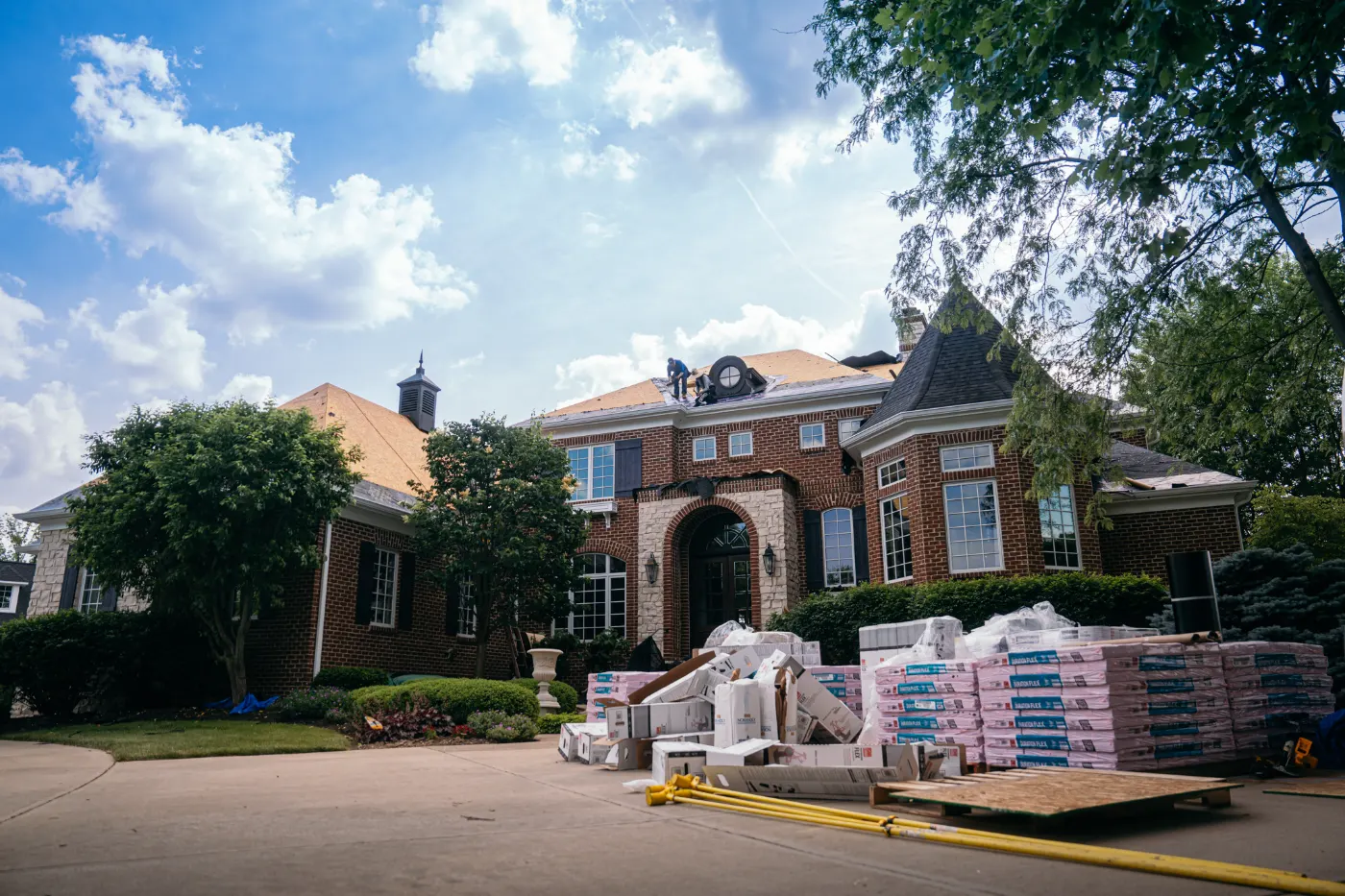
Storm Damage Roof Repair in Crooked Stick, IN
Crooked Stick Roofing provides roof inspections, repairs, and replacements for homeowners in Crooked Stick, from storm response to planned upgrades on aging shingles. We are licensed and insured in Indiana, offer free on site inspections, and put every scope in a written estimate before any work starts.
If we're busy helping someone else and miss your call, we'll call you back within 15 minutes.


Hail moved through Hamilton? Crooked Stick Roofing inspects Crooked Stick roofs free and reports what is actually there, both directions. Call (765) 978-3528.
- Services: roof inspections, roof repair, emergency roof repair, roof replacement
- Service area: Crooked Stick, Hamilton, IN and surrounding areas
- Response: Active leaks in Crooked Stick get priority tarping and crews; inspections scheduled fast
- Licensed and insured (License #RC21100059)
- Serving Crooked Stick, IN since 2018
Schedule Your Free Roof Inspection
A roof inspection on a Crooked Stick home is a hands on walkthrough, not a glance from the ground. Our crew checks the field shingles for bruising, cracking, and granule loss, looks at flashing around chimneys, dormers, and skylights, examines valleys and ridge lines, and inspects the areas most likely to fail first on the steep, complex roof planes common in Crooked Stick. We photograph what we find, from lifted shingle edges to dented gutters to nail pops, and walk you through the images so you can see the condition of your roof for yourself. Catching a bruised shingle field or a compromised flashing detail early keeps a small roof problem from turning into a much more expensive one down the line.
I agree to be contacted by Crooked Stick Roofing regarding my inquiry.
Nothing accelerates Crooked Stick roof decisions like a purchase agreement. The inspection report lands, the roof line items multiply, and repairs that could have been planned across seasons become a bargaining chip in someone else's negotiation. Hamilton sellers who documented their roofs early negotiate from records. The ones who did not negotiate from whatever the buyer's inspector wrote.
Crooked Stick Roofing meets adjusters on Crooked Stick roofs and speaks scope in their language: dated photos, test squares, damage mapped slope by slope. Claims stall on adjectives and move on evidence, so ours arrive as evidence. Hamilton homeowners keep the file either way, because a documented roof negotiates better than a described one, this claim and every one after.
Carrier scheduling a reinspection? Crooked Stick Roofing supports Crooked Stick homeowners through insurance reviews with the file that ends arguments: dated photos, slope maps, and repair records tied to the storm that caused them. Call (765) 978-3528 before the site visit. Across Hamilton, a roof that answers questions before they are asked is the difference between approved and argued.
Payment Options That Work for You
A roof project is worth doing right the first time. Financing options through Crooked Stick Roofing lender partners help you pay over time instead of cutting scope or delaying the work.
Pay for your project at a later time, but lock in today's pricing. Ideal for homeowners waiting on insurance settlements.
- No payments for 12 months
- No interest if paid in full
- Lock in current pricing today
Divide your project cost equally across 12 months with zero interest. Most homeowners choose this option for predictable budgeting.
- Equal monthly payments
- 0% interest for 12 months
- Simple, predictable budgeting
Spread your investment over up to 20 years with fixed equal payments. The right choice for larger projects or homeowners who prefer lower monthly amounts.
- Up to 20-year terms available
- Fixed equal payments
- Ideal for larger projects
Financing provided by Slice, Foundation Finance, Regions. Subject to credit approval. Rates, terms, and promotional periods are set by the lender and disclosed in writing before you sign.
Roofing Done Right in Crooked Stick
Crooked Stick Roofing takes on the whole range of roofing work, inspections, repairs, and full replacements, using manufacturer-certified crews and documenting it clearly.
Roof Inspections in Crooked Stick
A hands on roof inspection for Crooked Stick homes that checks shingles, flashing, valleys, and penetrations, with photos of everything we find. You get a clear written picture of the roof's condition before any decisions are made.
Learn moreRoof Repair in Crooked Stick
Targeted repairs for Crooked Stick roofs, including replacing damaged shingles, resealing flashing, addressing lifted edges, and fixing the specific problem areas that came up in the inspection. Focused work where the roof actually needs it.
Learn moreEmergency Roof Repair in Crooked Stick
Fast response repair for Crooked Stick roofs after storms, fallen limbs, or sudden leaks, focused on stabilizing the roof and stopping further damage. Storm damage gets worse the longer it sits, so we prioritize getting eyes on it quickly.
Learn moreRoof Replacement in Crooked Stick
Full roof replacement for Crooked Stick homes, including tear off, deck inspection, underlayment, flashing, new shingles, and ridge and ventilation details. One crew handles the project from tear off through final cleanup.
Learn moreDesigner Roofing in Crooked Stick
Higher end shingle and profile options for Crooked Stick homes where curb appeal and architectural review standards matter. We help you choose materials that fit the home and the neighborhood aesthetic.
Learn more
Local Expertise, Real Results
Honest answers cost us jobs sometimes, and we still give them.
Your decking tells the truth during tear-off, and Crooked Stick Roofing shows it to you: soft sections photographed as found and priced per sheet in the scope you already hold. Nothing gets buried under new shingles.
Crooked Stick Roofing serves Crooked Stick and the surrounding Hamilton County communities with roofing that matches the character of the homes here. Founded in 2018 by Aaron Christy, who has been featured on FOX59, WISH TV, and RTV6, the company has spent years working on roofs across central Indiana, including estate homes near the Crooked Stick Golf Club along Burning Tree Lane. Our crews are local, licensed and insured under Indiana license RC21100059, and familiar with the steep, multi plane roofs common to Crooked Stick and nearby neighborhoods like the Village of West Clay, Home Place, Westfield, Zionsville, Fishers, and Noblesville. We show up on time, we listen, and we do the work the way you would want it done on your own house.
The way we work on a Crooked Stick roof starts long before a hammer swings. A crew member climbs the roof, checks shingles, flashing, valleys, penetrations, and the trouble spots that tend to fail first, and documents everything with photos so you can see exactly what we saw. From that walkthrough we write an honest estimate with a clear scope, real quantities, and no vague line items you have to guess at. When the work happens, it happens cleanly, with attention to the details that matter on a high end home. Nothing about our process is rushed, and nothing is hidden.
Our Promise
Every Crooked Stick homeowner who calls Crooked Stick Roofing gets a free on site inspection before we ever quote a job, because a roof cannot be honestly priced from the driveway. You get a written estimate with a clear scope and clear numbers, so there are transparent line items after the crew is already on your property. And the workmanship is backed by a workmanship warranty in addition to the standard manufacturer coverage that comes with the shingles we install. Simple, plain, and in writing.
The Crooked Stick Roofing Difference on Crooked Stick Roofs
Transparent pricing, careful inspections, and materials that last, for homeowners in Crooked Stick and Hamilton.
Storm And Hail Response
Central Indiana has taken repeated hits from hail and high winds over the last few seasons, and Crooked Stick roofs have not been spared. When you call after a storm, we prioritize getting eyes on the roof, documenting damage with photos, and identifying bruised shingles, dented flashing, and wind lifted edges before the next system rolls through. You get a clear picture of what happened and what to do next.
Built For Crooked Stick Homes
The estate homes around Crooked Stick tend to have steep pitches, multiple planes, dormers, and architectural detail that a production crew will miss. We work on these kinds of roofs regularly and know how the shingle courses, flashings, and valleys need to run to look right and shed water. The finished roof holds up to HOA and architectural review expectations.
Full Roofing Scope
From the first inspection through the final cleanup, one company handles the whole roof. That means the same team that documents the damage writes the estimate, orders the material, and stands on the roof during install. Nothing gets lost between vendors, and the accountability stays in one place.
Insurance Documentation Done Right
If a storm damaged your Crooked Stick roof, the photos, measurements, and notes we take are organized in a way that supports your claim with your insurance carrier. We give you the documentation you need to have an honest conversation with your adjuster. You are not left translating roofing terms on your own.
Real Jobs. Real Results.
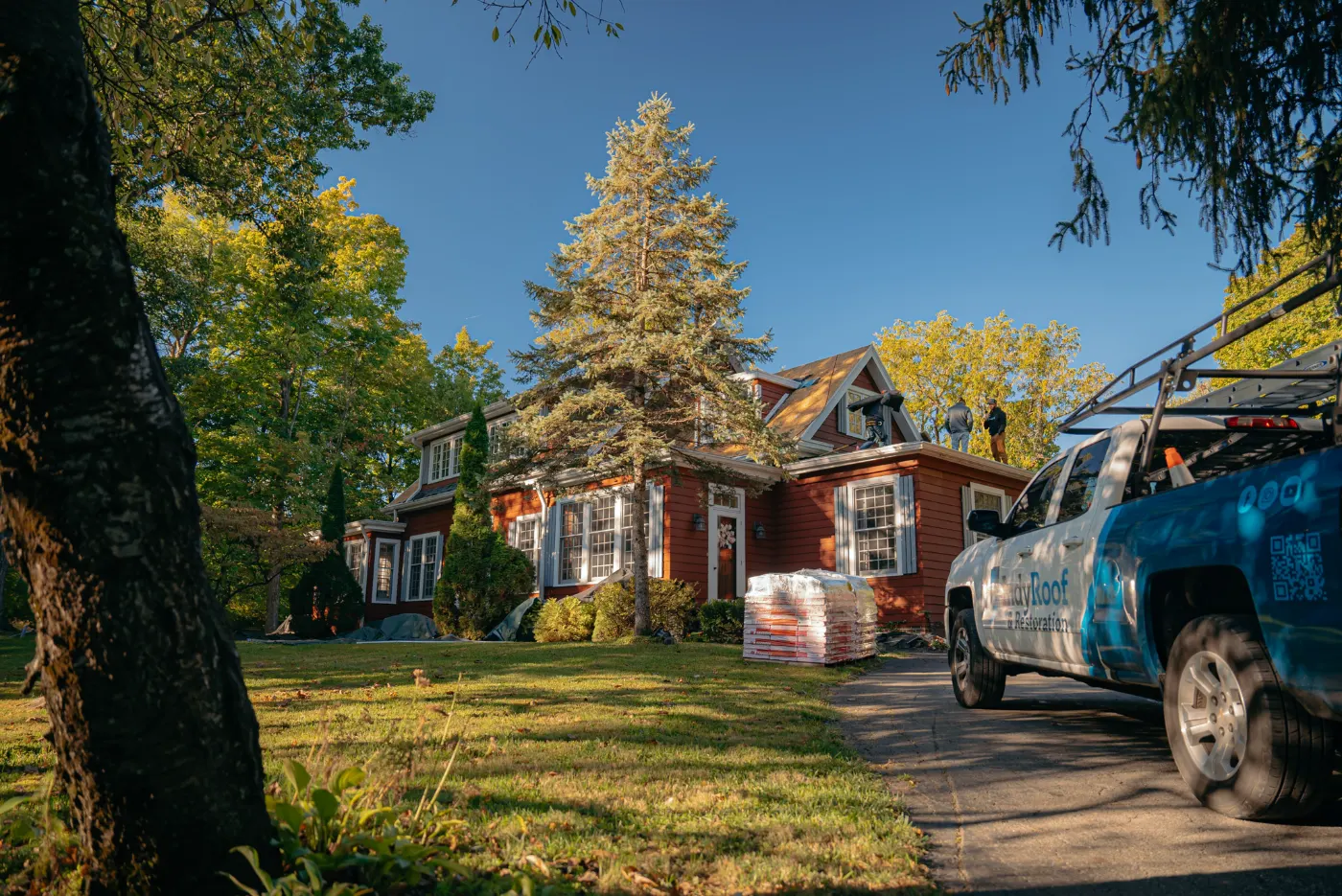
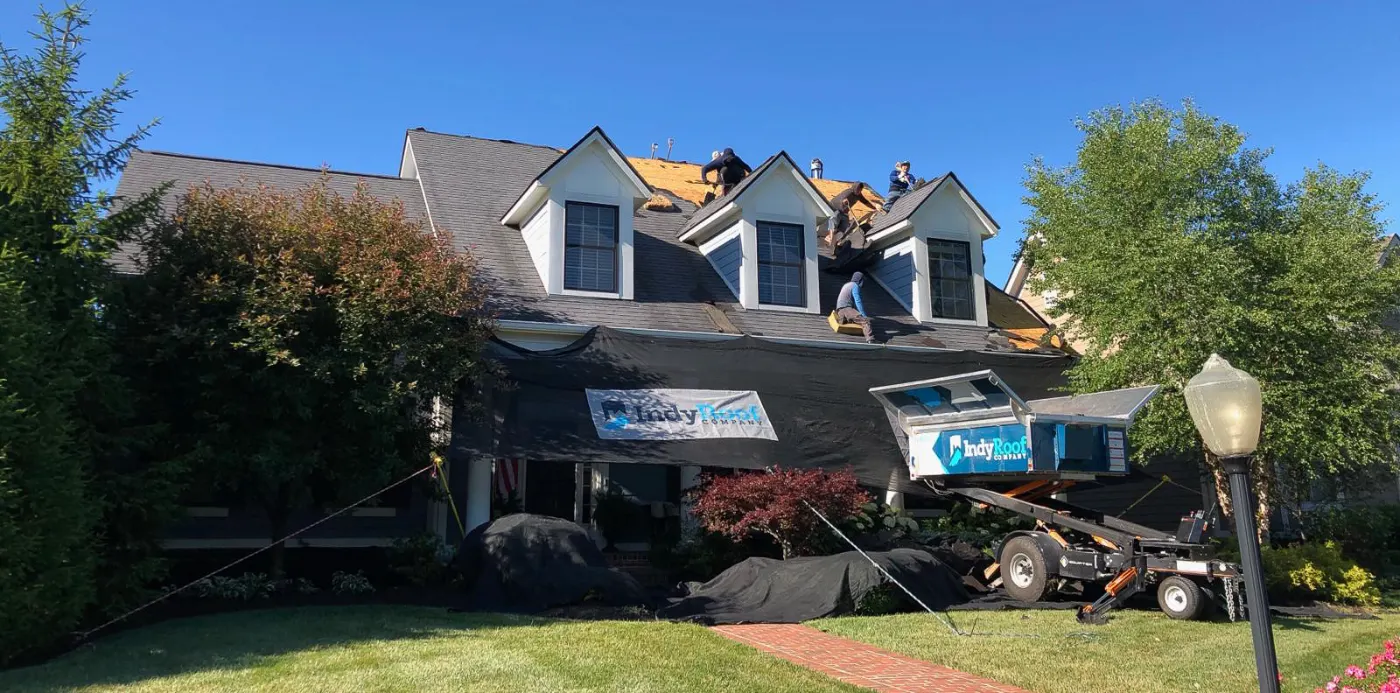
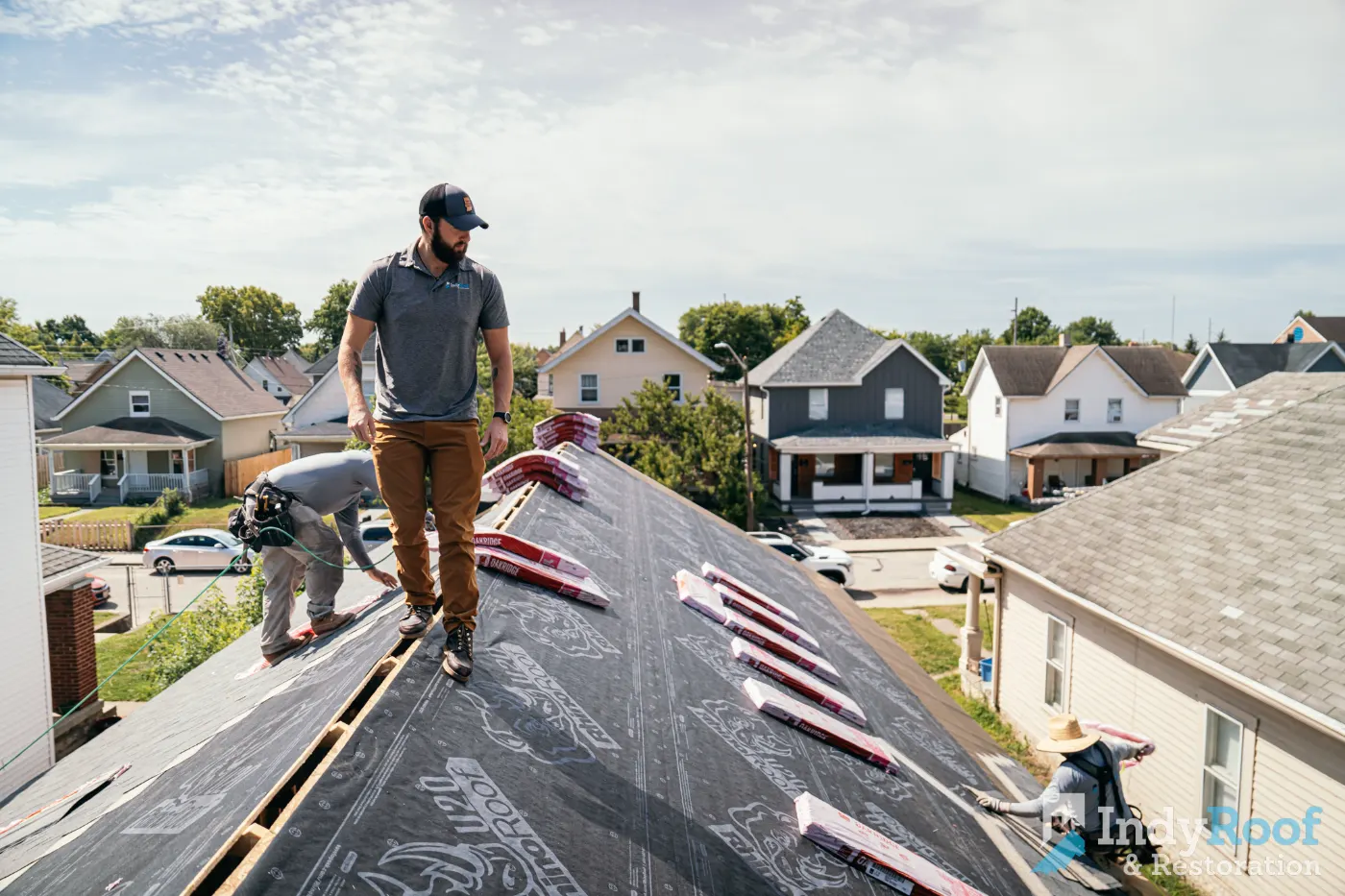
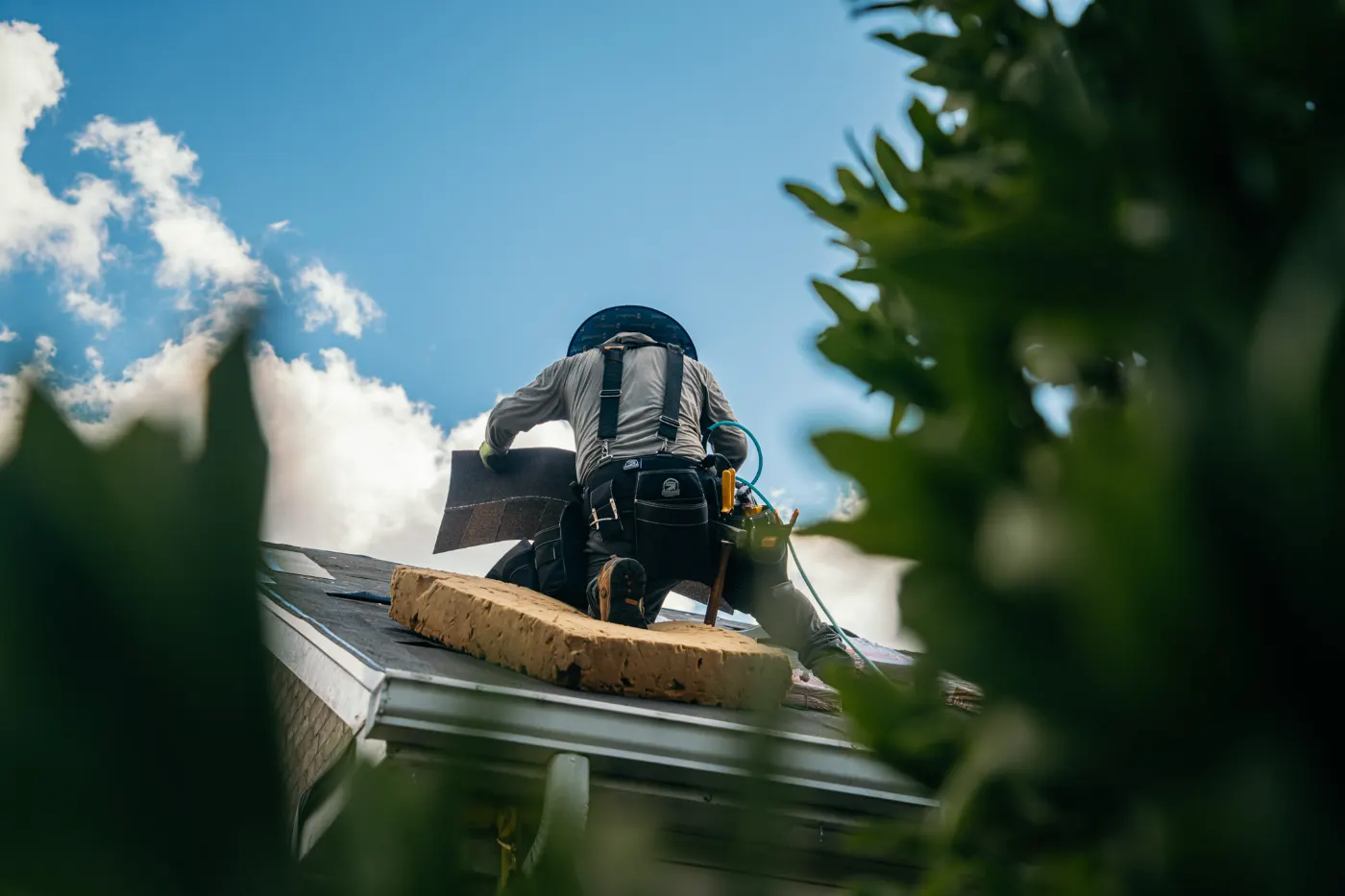
Photos from recent roofing projects completed by our manufacturer-certified crew across Crooked Stick and Hamilton. Every project is documented with photos and a written closeout package.
The Work Behind Every Crooked Stick Roof
The first step for any Crooked Stick project is a free on site inspection. A crew member climbs the roof, walks the planes, and looks at shingles, flashing, penetrations, valleys, and gutters for storm damage, age related wear, or installation issues from a previous roof. Everything gets photographed, including the good and the bad, so you have a complete record of the roof's current condition. Before we quote anything, we sit down and show you the images, explain what we found, and outline what a proper scope of work would look like. No pressure, no guesswork.
Once the inspection is finished, we put together an honest written estimate that spells out what the work includes, what materials are being used, and what the numbers are based on. If your Crooked Stick roof shows sudden storm damage, we help you document it for a claim, provide the photos and measurements, and coordinate with your insurance carrier and adjuster as the process moves along. works with your insurance carrier, and we never speak for them. Our job is to give you and the adjuster the same clear evidence so the claim can be evaluated fairly.
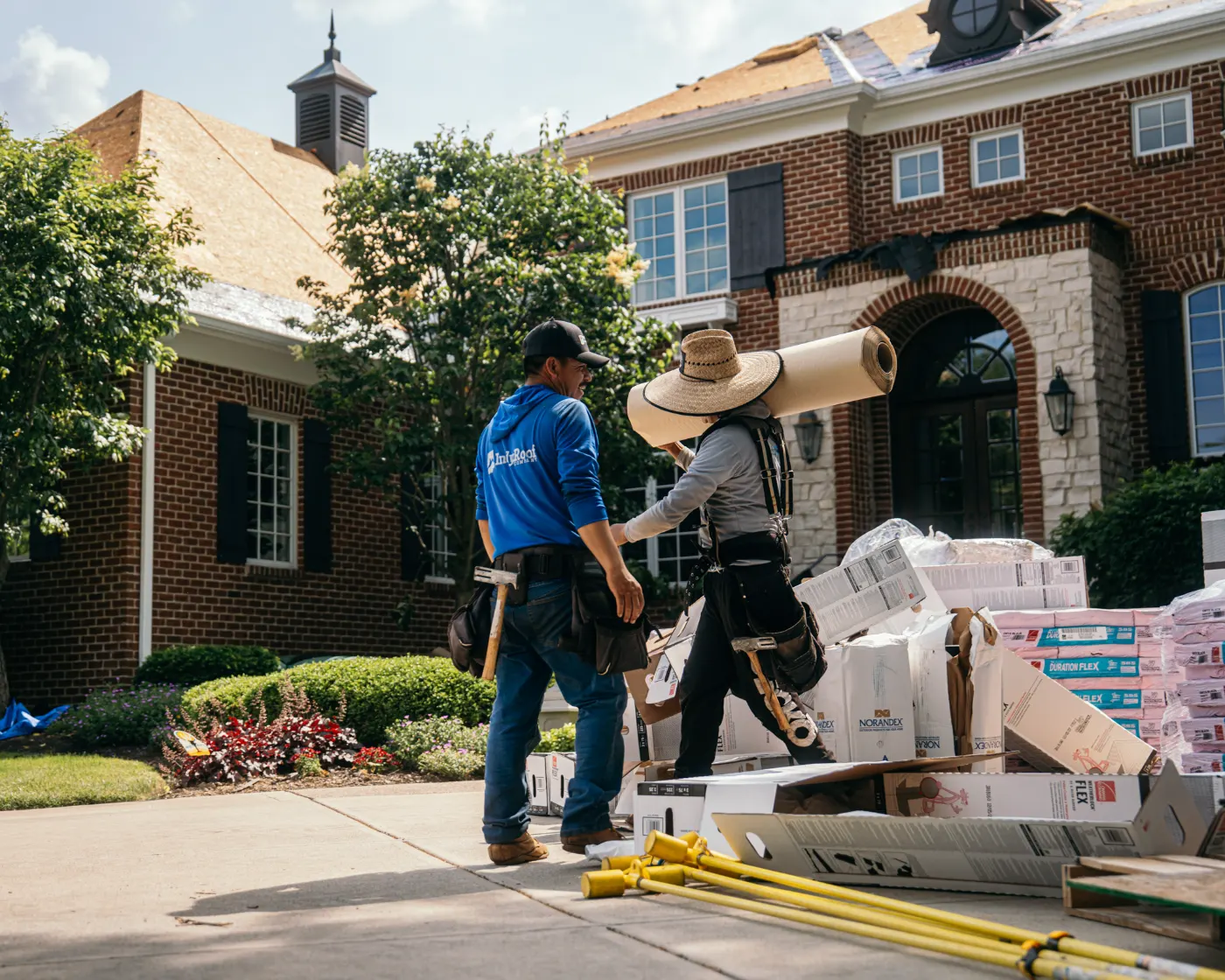
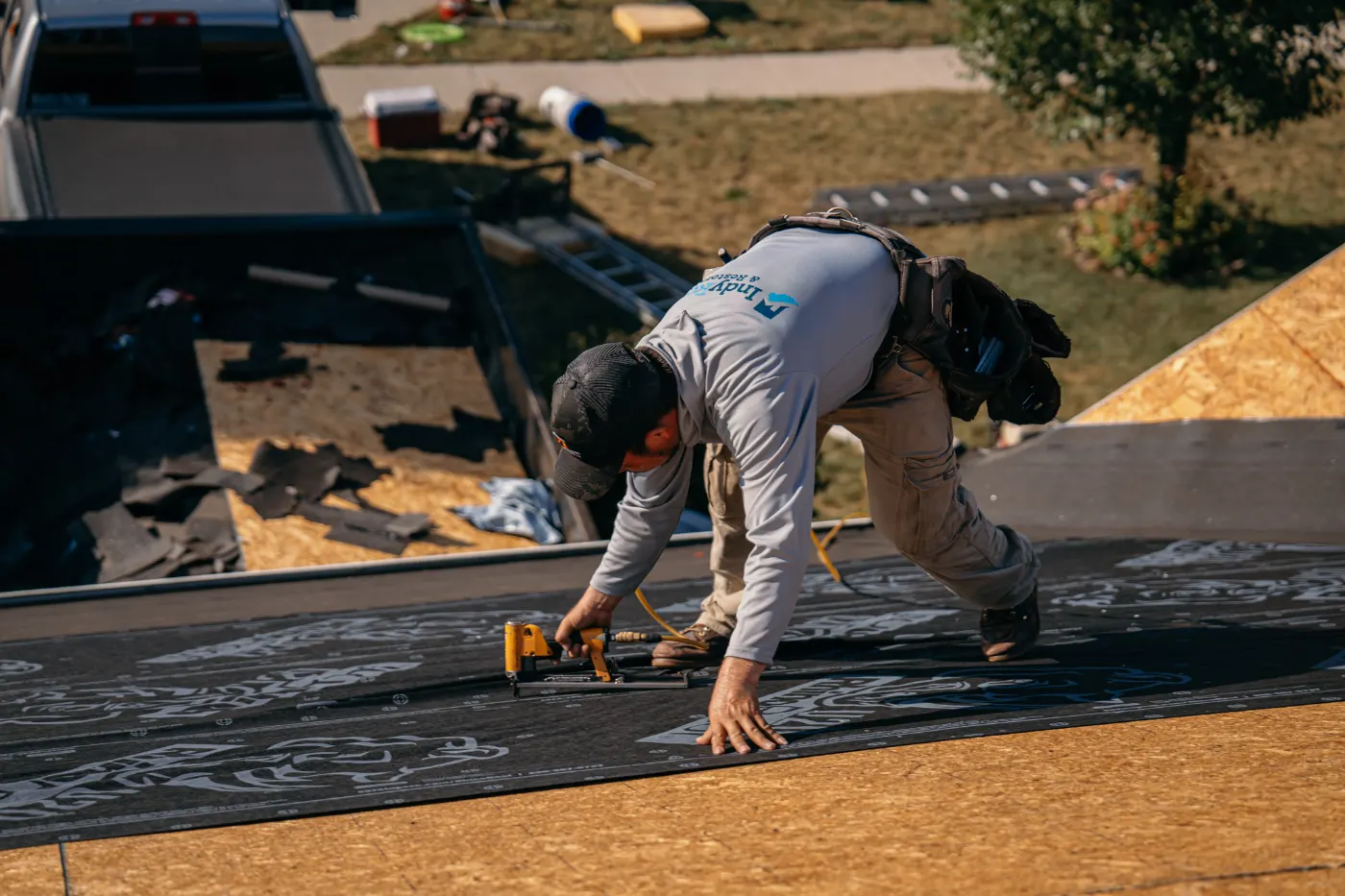
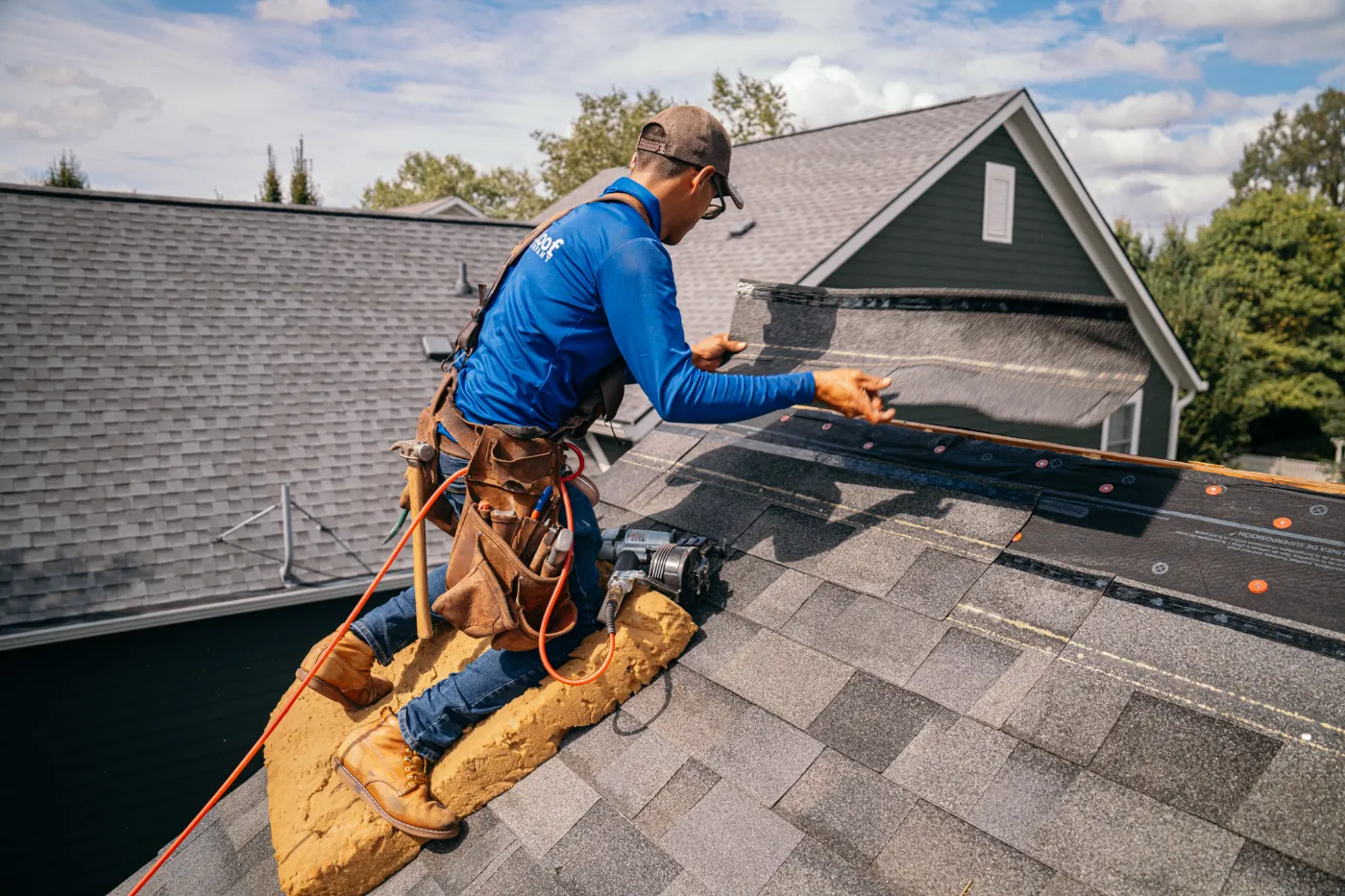
When it is time to do the roofing work, we schedule around your calendar and stage the job to minimize disruption to your Crooked Stick property. The crew protects landscaping, driveways, and exterior features, tears off carefully, and installs the new roof system with attention to underlayment, flashing, and ventilation details. When the shingles are down and the ridge is capped, we walk the property with magnetic sweeps for nails, clean up debris, and do a final walkthrough with you so you can look at the finished roof and ask any questions before we leave.
Free on site Inspection
A crew member climbs the roof, checks shingles, flashing, and problem areas, and documents everything with photos. You get to see the images and hear what they mean before anything is quoted. No cost, no obligation.
Honest Written Estimate
After the inspection, you get a written estimate with a clear scope, real quantities, and clear pricing. No vague line items and no surprise add ons after the crew arrives. If something changes, you hear about it before it happens.
Insurance Documentation
For storm damage claims on Crooked Stick roofs, we organize the photos, measurements, and notes your adjuster will want to see. We work with your insurance carrier on the documentation side, but the claim itself stays between you and your carrier.
Clean Workmanship
The install crew protects your property, follows the scope, and finishes the job with a magnetic sweep and a final walkthrough. You see the roof, the flashing details, and the cleanup before we leave. Workmanship is backed by a workmanship warranty.
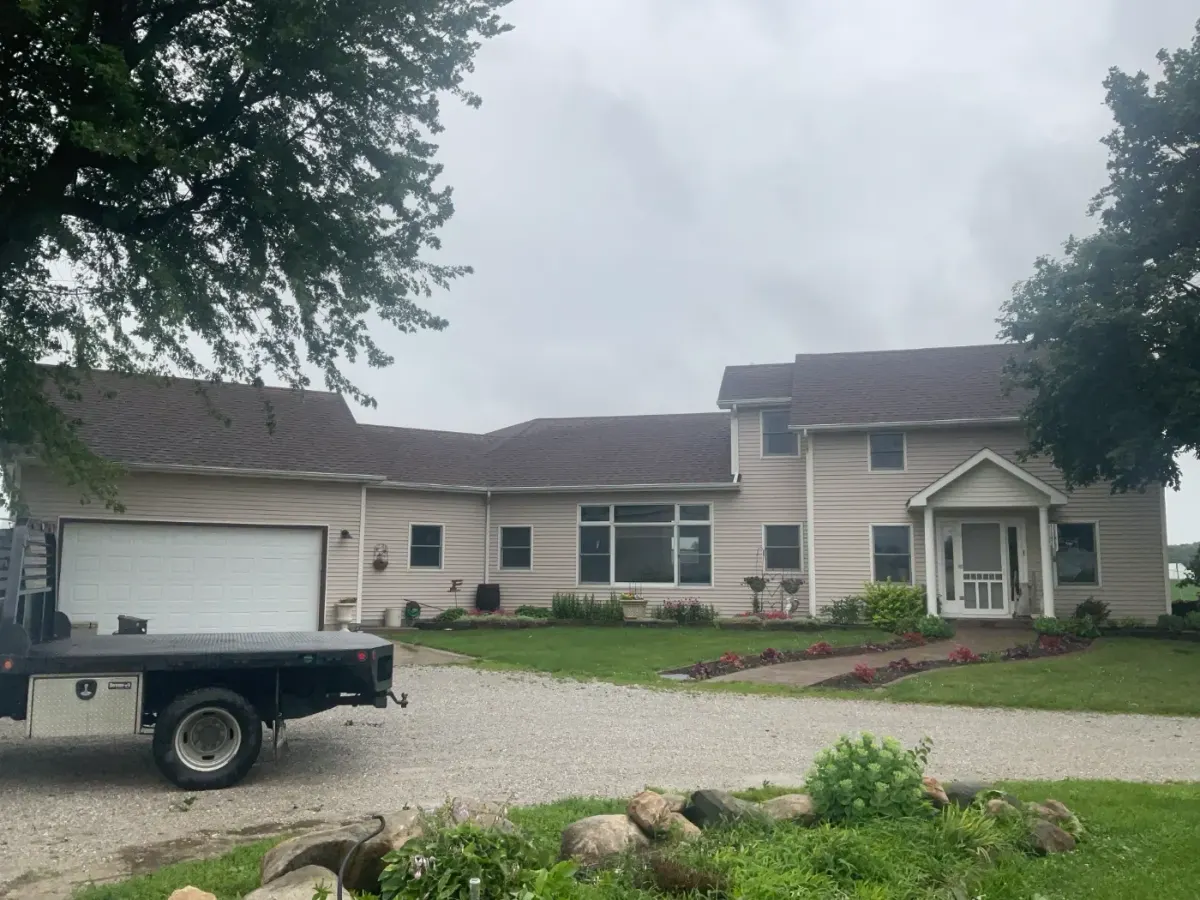
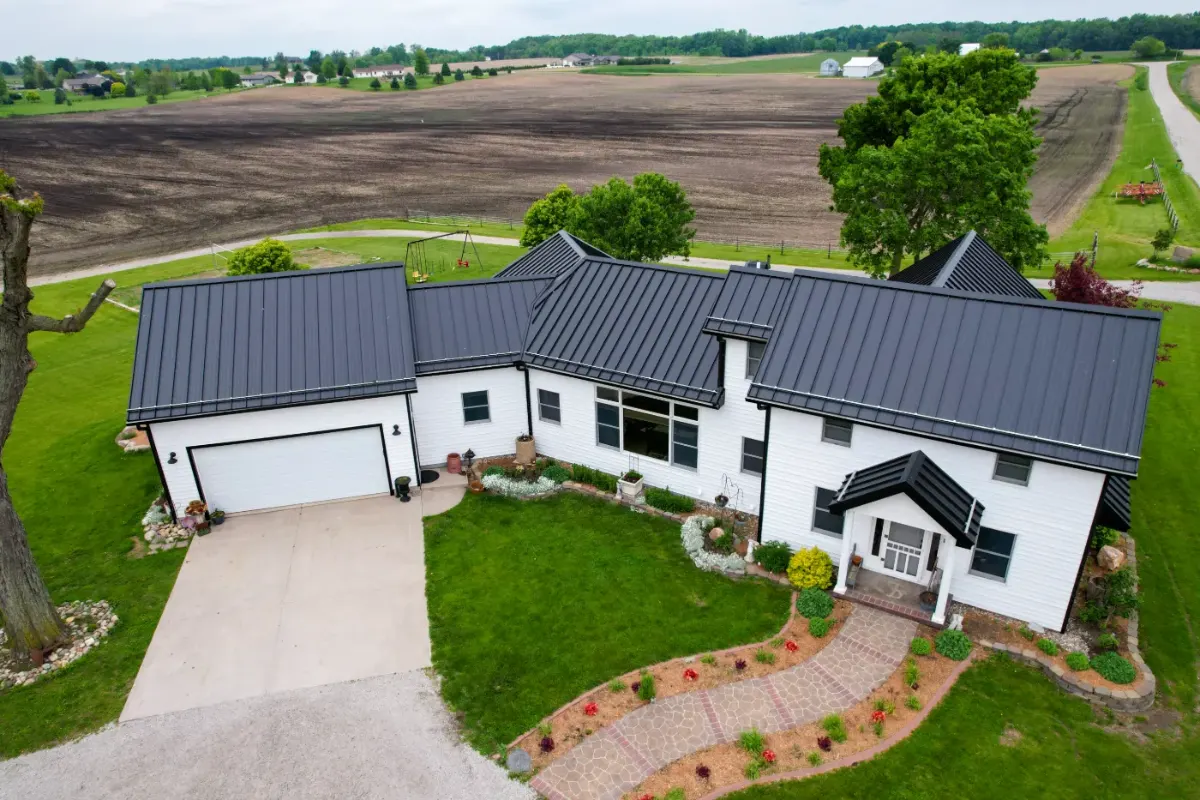
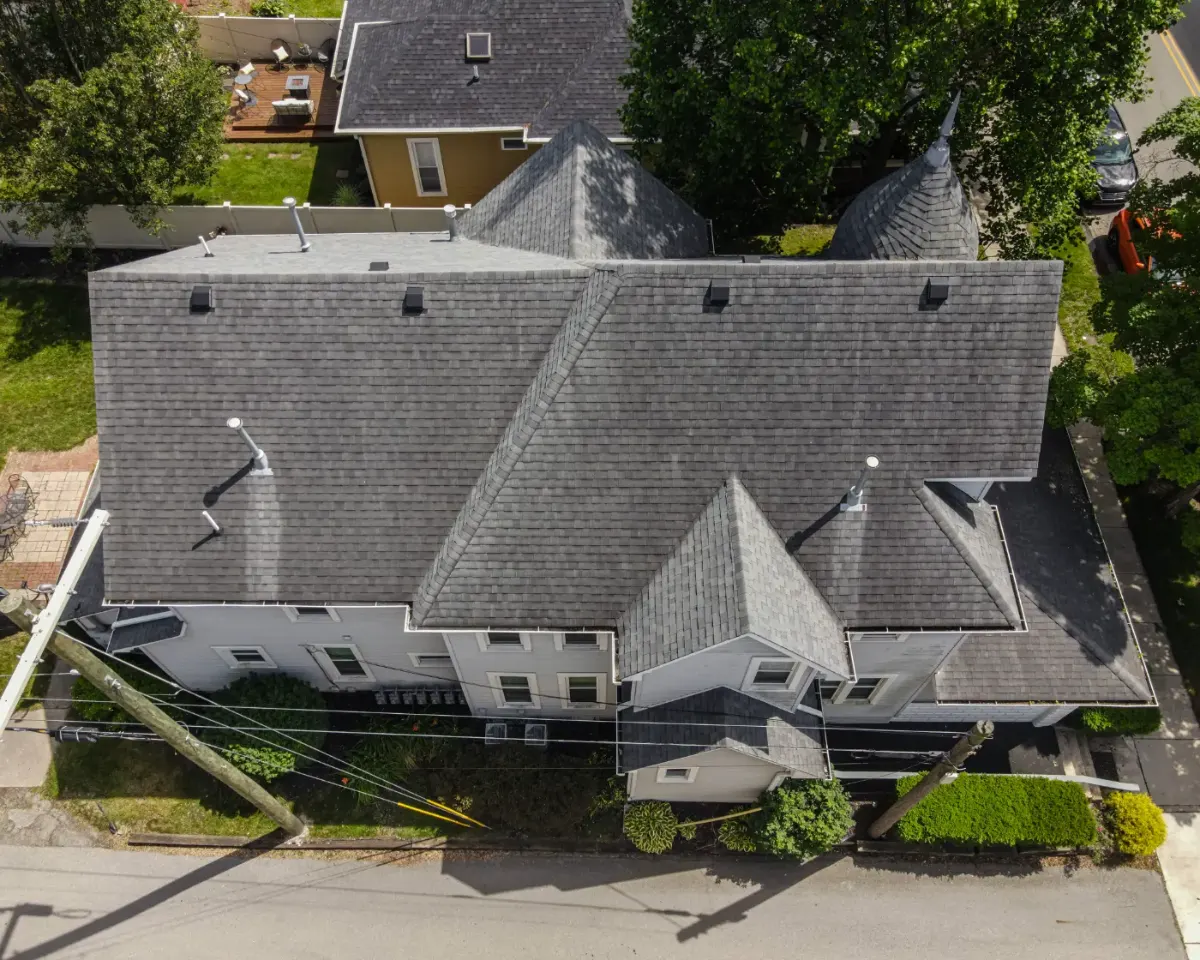
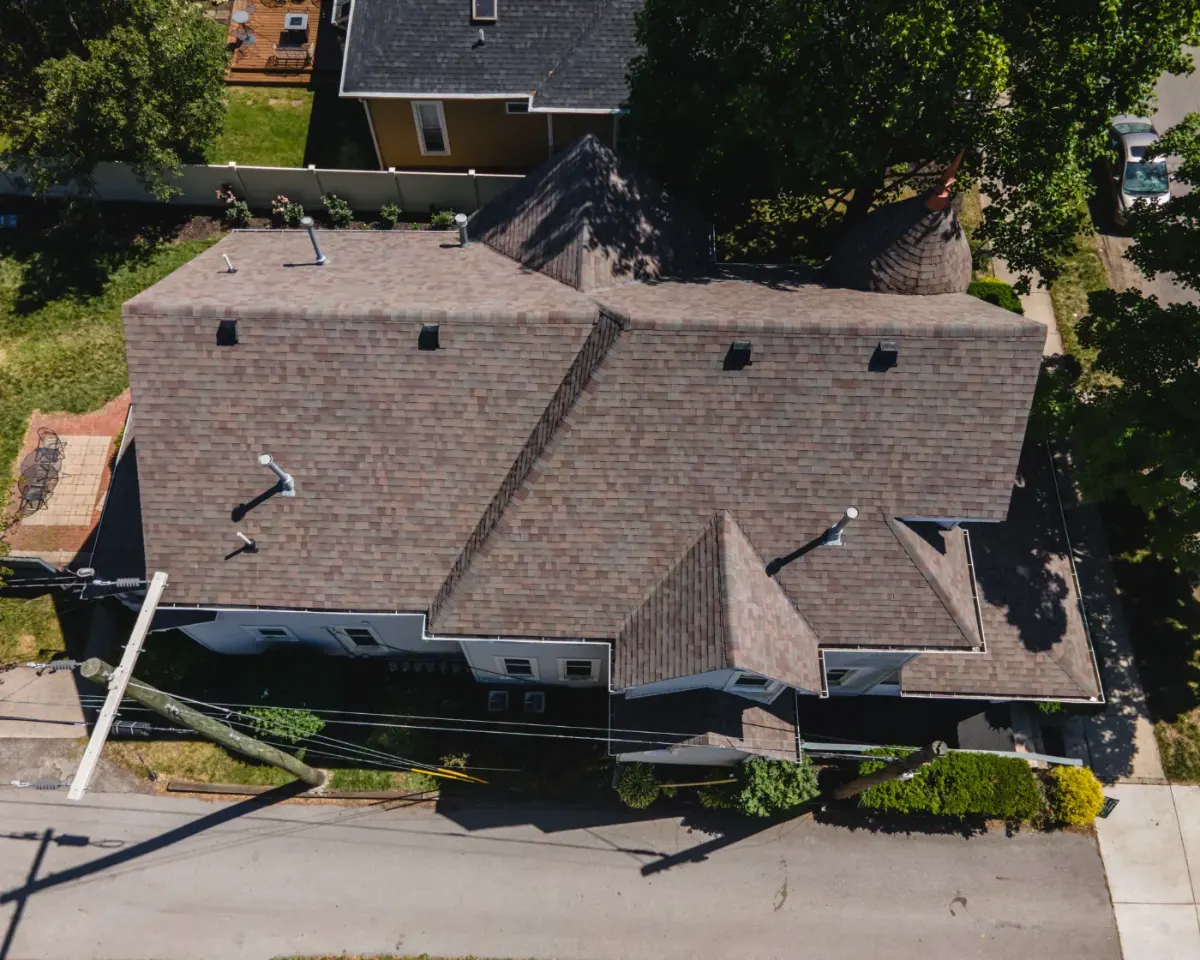
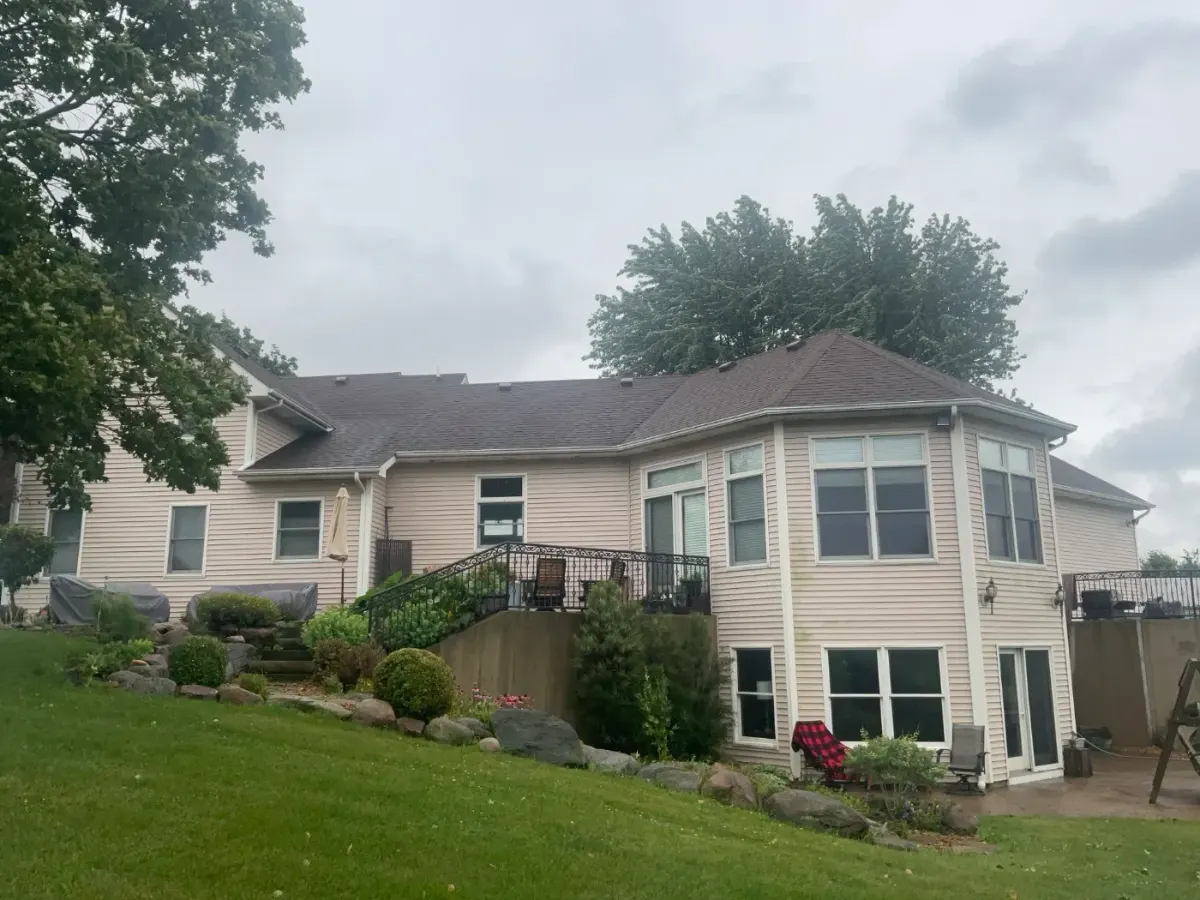
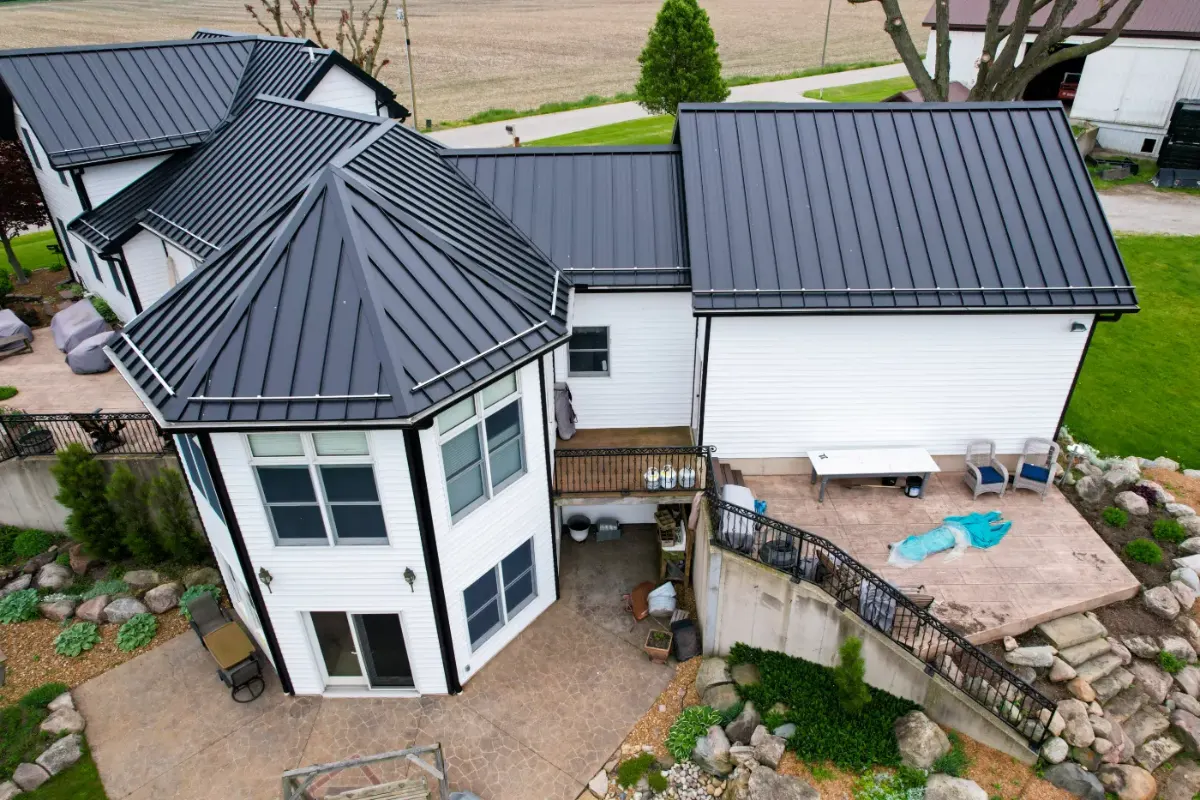
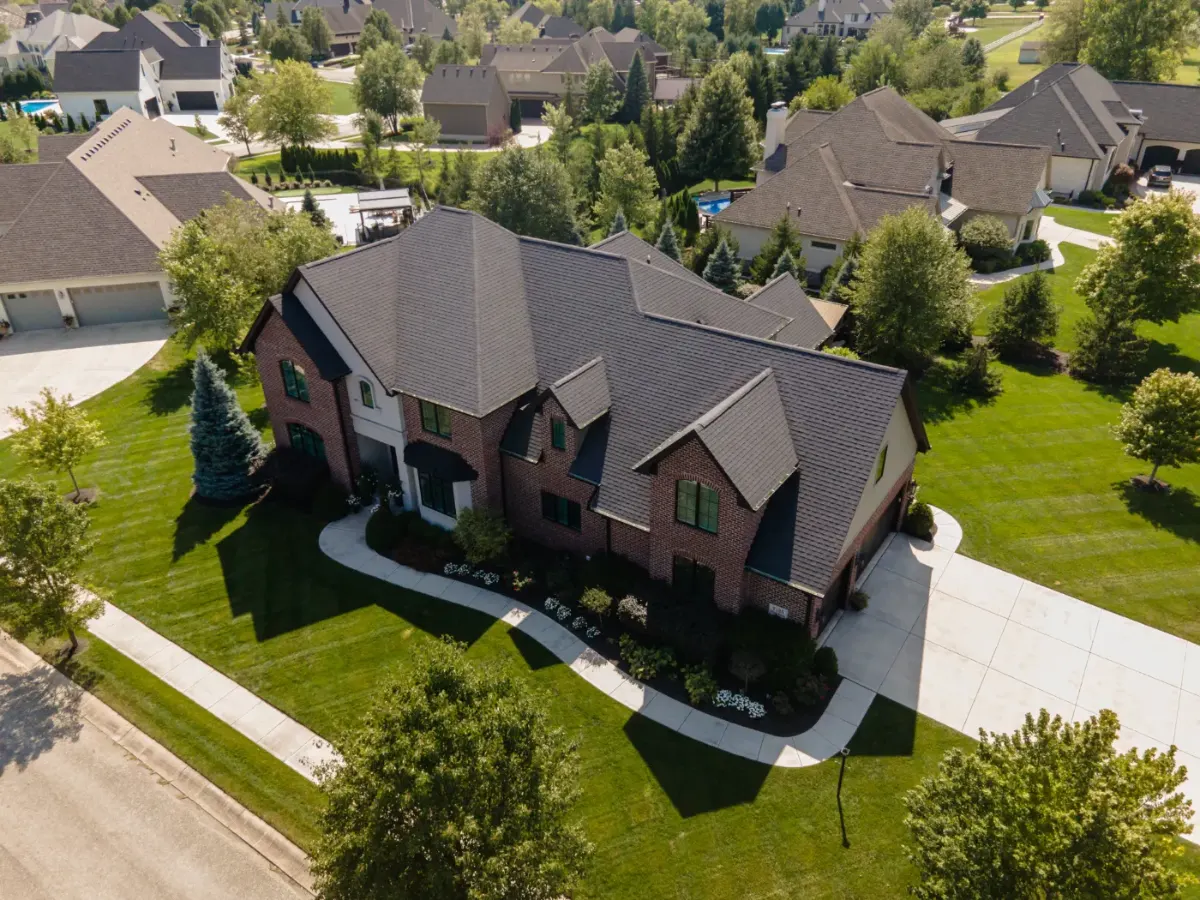
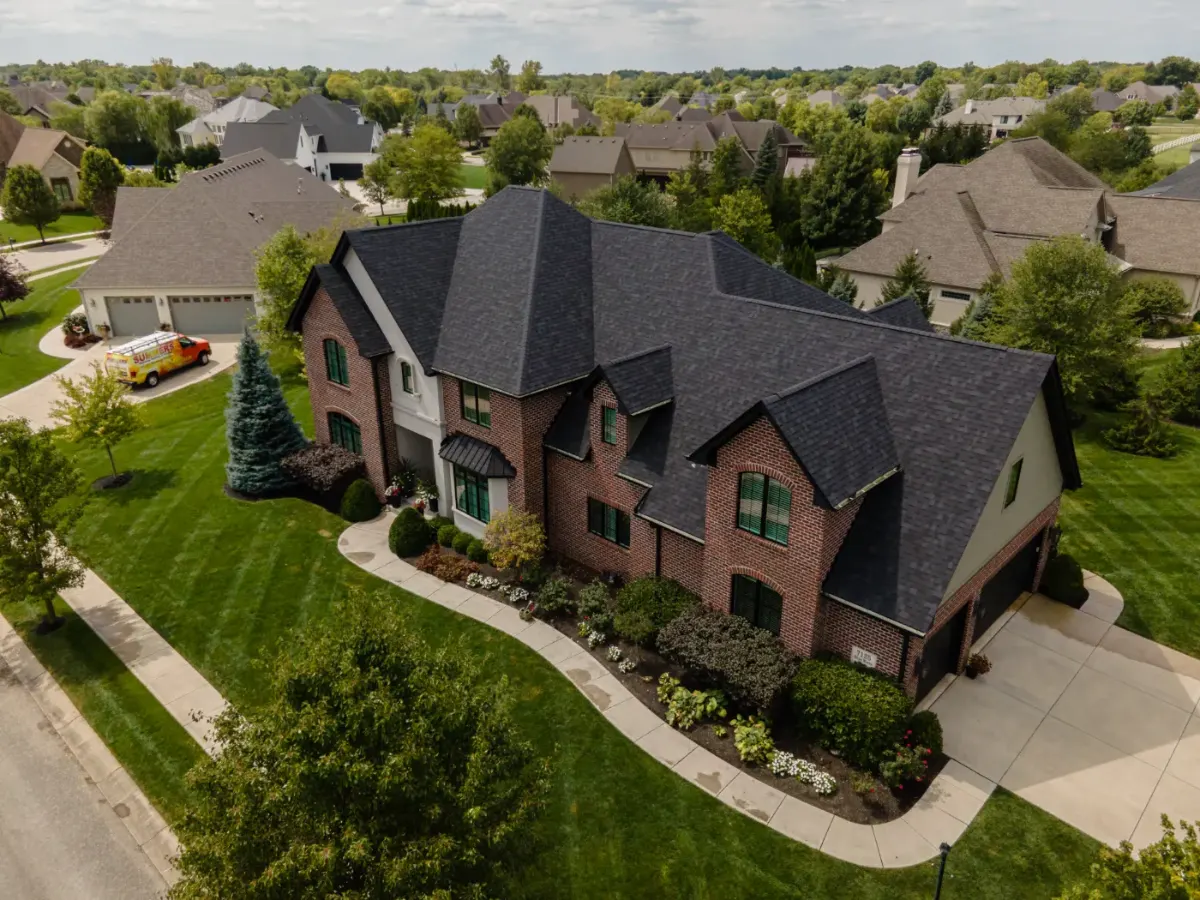
Recent Crooked Stick Roofing Projects
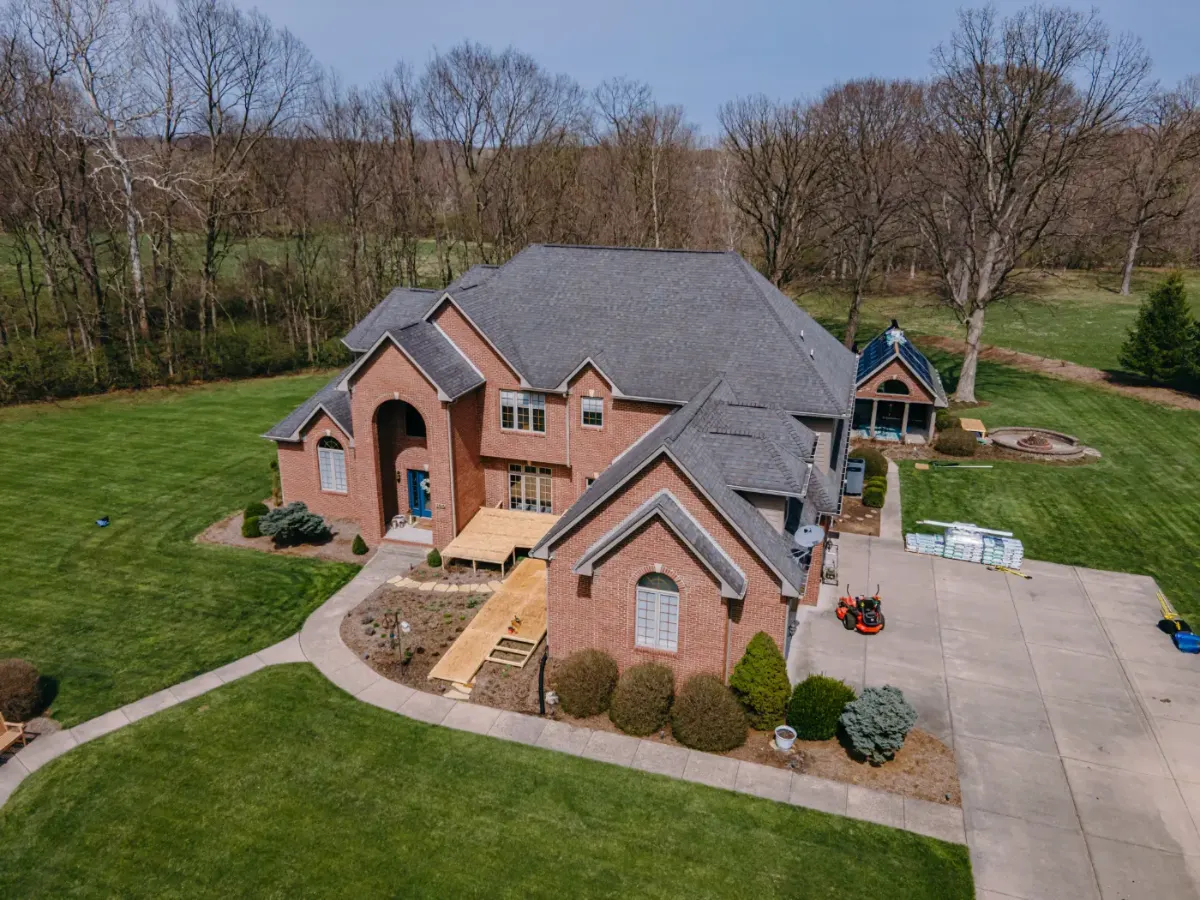
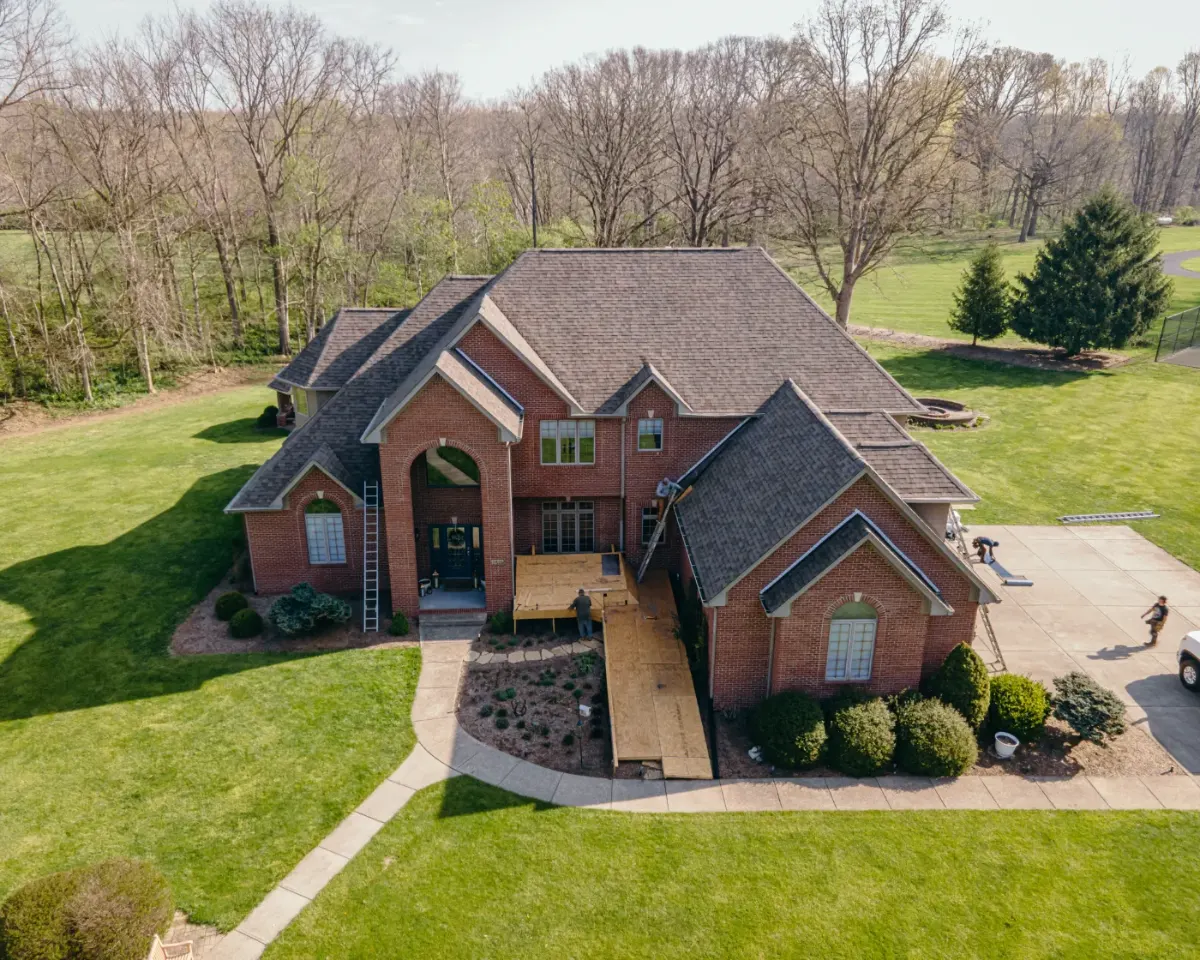
5 before-and-after projects documented for the homeowner and the homeowners insurance carrier.
What we see most often on Crooked Stick roofs
Crooked Stick homeowners typically call us about these scenarios.
Hail Damage You Cannot See From the Ground
Hail bruises the shingle mat and knocks granules loose without leaving obvious holes, and that damage ages a roof years ahead of schedule. In Crooked Stick hail claims, documentation quality decides the outcome. Crooked Stick Roofing maps impacts slope by slope with photos and attends the adjuster meeting so covered damage gets counted, not argued away.
Debris Packing Into the Valleys
Valleys carry runoff from two slopes at once, so anything that slows the water there matters. Leaves and needles pack in over a Crooked Stick winter, washed-down granules cement the pile together, and the backed-up water works sideways under the shingle laps until it finds the deck. Crooked Stick Roofing clears the valleys during the inspection and tells you whether the metal underneath is worn through or just dirty.
Gutters Pulling Away From the Fascia
When gutters sag in Crooked Stick, the usual cause is not the gutter. It is fascia board that has softened because water has been running behind it. Crooked Stick Roofing checks the fascia and the drip edge before quoting gutter work, because rehanging a gutter on rotten wood buys you one season.
Ridge Cap Shingles Lifting or Missing
The ridge takes the most wind exposure on the roof and the caps there are the first thing a Crooked Stick storm finds. A missing cap leaves the ridge vent and the field seam open to weather. Crooked Stick Roofing replaces caps to match and checks the vent underneath, because the opening below a lost cap is the part that actually leaks.
Bathroom Vents Ducted Into the Attic
A bath fan that exhausts into attic space instead of through the roof puts warm wet air against the underside of the deck every day. Homeowners find it when the plywood darkens or the insulation mats down. Crooked Stick Roofing looks for it during the roof inspection and flags it, because it is a roof problem even though it starts in a bathroom.
Two Layers of Shingles on the Roof
A second layer laid over the first hides the decking, adds weight, and runs hotter than a single layer, which shortens both. Crooked Stick homes that were reroofed this way in the past need a full tear off next time. Crooked Stick Roofing tells you how many layers are up there during the free inspection so the number is not a surprise inside the quote.
Three Simple Steps
Discipline shows up at every stage of a Crooked Stick Roofing project, beginning with the free inspection and carrying through completion.
Free Inspection
Conditions on your roof get photographed during the review, and the explanation you get afterward is practical and straightforward. We schedule the visit whenever it works for you.
Transparent Estimate
The outline is written down: what work we recommend and the benefit each item brings to your property. There's no pressure, and we take the time to walk through options comfortably.
Quality Installation
Attentive work, timelines that hold, and respect for your property. The manufacturer warranty gets registered in your name by us.
What Happened on Crooked Stick Roofs
4.9 stars across 2,307+ Google reviews.
"Full replacement with Owens Corning Duration in Onyx Black. The crew was respectful of our landscaping, cleaned up thoroughly with magnet sweeps for nails, and the closeout documentation was professional."
"Repair on a pipe boot leak that another contractor wanted to upsell into a partial replacement. They fixed the actual problem for $400. Honest, fair, professional."
"Respect for the property. Clean install. The crew managed landscaping protection carefully and left no debris behind. Cleanup was thorough."
Before You Sign a Crooked Stick Roofing Contract
Straight answers to the questions Crooked Stick homeowners ask most.
Indiana Weather Affects Roofs Year Round
Crooked Stick homeowners know the pattern: spring hail with severe thunderstorms, a summer of UV exposure, wind storms every fall, freeze thaw cycles all winter. Indiana weather swings as widely as anywhere in the country, and reading those swings is what lets us plan maintenance, repairs, and replacement work properly.
Hail Bruising On Shingles
Hail up to quarter size has been reported in storm systems that rolled across the Carmel area, and Crooked Stick roofs sit right in that path. Hail impacts bruise the asphalt mat, crack the shingle, and knock granules loose, which shortens the roof's usable life even when the damage is hard to spot from the ground. When called out after a hail event, we check the field, the ridges, and the soft metals to build a clear picture of the damage.
Wind Lifting Shingle Edges
Thunderstorm winds estimated in the 60 to 65 mph range have hit the area, and steep multi plane roofs catch that wind hard. Gusts lift shingle tabs, break the sealant strip, and tear shingles off entirely along ridges and eaves, opening the deck to the next rain. We inspect for lifted tabs, broken seals, and missing shingles, then repair or replace based on what the roof actually needs.
Ice Dams At The Eaves
Central Indiana winters bring freeze thaw cycles that build ice dams along Crooked Stick eaves, especially on north facing planes shaded by the mature tree canopy. Ice backs water up under the shingles and past the flashing, where it finds the deck and the interior. We check underlayment, flashing, and ventilation to identify where the roof is vulnerable and what needs to change.
Granule Loss On Aging Roofs
Many Crooked Stick homes still carry original shingles from the 1980s and 1990s or are on their first replacement cycle, and older asphalt sheds granules as the mat breaks down. Once granule loss is visible in the gutters or bare spots show in the field, the shingle is losing its UV protection and thinning fast. Our inspection quantifies the wear so you know whether targeted repair or a full replacement makes more sense.
Choosing the Right Roof for Crooked Stick Homes
An honest breakdown of the three systems we install most frequently.
Architectural asphalt shingles are the dominant choice on Crooked Stick roofs, and there are good reasons for that. They offer a strong balance of cost and curb appeal, hold up well to central Indiana weather when installed correctly, and come in a wide range of colors and profiles that suit the architectural styles around the golf course. Manufacturer warranties on quality architectural shingles are substantial, covering material defects for decades when the roof is installed to spec. For most Crooked Stick homeowners doing a straightforward replacement, architectural asphalt gives you the look, the performance, and the value that make sense on a long term home.
Impact resistant Class 4 shingles are built to absorb the kind of hail impacts that bruise and crack standard asphalt, which matters in Crooked Stick given the hail and high wind storms that roll through central Indiana each spring and summer. The reinforced mat holds granules longer, resists cracking, and tends to age more gracefully under repeated storm exposure. Class 4 shingles cost more up front than standard architectural, so it is worth asking your insurance carrier whether your policy offers a premium credit for the upgrade. We cannot promise a discount, but the question is worth putting to your carrier before you choose a material.
Standing seam metal is the longest lived of the three options, with concealed fasteners, clean vertical lines, and a service life measured in decades rather than years. It sheds snow and ice well, resists wind uplift, and asks very little in the way of ongoing maintenance once it is on. The tradeoff is honest, standing seam metal costs meaningfully more up front than an architectural asphalt roof, sometimes two to three times more depending on the profile and complexity. For Crooked Stick homeowners planning to stay in the home long term and wanting a distinctive look, that upfront cost buys decades of low maintenance performance.
What Crooked Stick Roofing Handles in Crooked Stick
Roof Inspections
Late winter is a quiet time to have a roof looked at in Crooked Stick, and it is usually the smartest one. Freeze and thaw work at the edges all season, lifting shingles and opening gaps around flashing that nobody notices until the first warm rain. Getting ahead of that keeps small fixes small.
Spring is busy for every roofer, so scheduling early tends to mean a faster visit and a calmer conversation. Wait until the storm calls start and you are standing in line behind everyone whose ceiling is already dripping.
Roof Inspections in Crooked Stick ›Roof Repair
Every repair we quote in Crooked Stick arrives in writing before the crew shows up. The scope names the location, the materials, what gets removed and what gets replaced. Pictures ride along with it, taken close enough to see the failure and wide enough to place it on the roof.
When the work is done, you receive a second set showing the finished area. That matters if you ever sell, file a claim, or simply want to recall what was done and when. A verbal price and a handshake leave you nothing to look at later.
Roof Repair in Crooked Stick ›Emergency Roof Repair
This work is not the finished repair, and anyone who says otherwise is selling something. What happens at midnight stops water from getting in. The real fix comes in daylight, dry weather, and with the right materials on the truck.
Urgent service also is not a license to charge whatever the moment allows. You get a price before we start, even at an odd hour, and it goes in writing like everything else. A Crooked Stick homeowner in trouble deserves the same straight dealing as one planning a roof months ahead.
Emergency Roof Repair in Crooked Stick ›Roof Replacement
When a storm damages enough of a roof, a carrier may pay to replace it rather than repair it. That process runs on documentation. We inspect, photograph damage across each slope, and write up what we find in language that matches how adjusters work.
If a claim is approved, we build from the approved scope and point out whatever was left off it, such as flashing or ventilation the roof genuinely needs. If the claim is denied, you still hold a clear picture of your Crooked Stick roof and a real choice about what comes next.
Roof Replacement in Crooked Stick ›Designer Roofing
Timing matters more with these shingles than with standard ones. They are thicker and stiffer, so cold weather makes them harder to handle and slower to seal down. Late spring through early fall is the comfortable window in Crooked Stick, when temperatures let the sealant strips bond the way they should.
Color selection goes better in that window too, since you can look at samples in real daylight rather than under a gray sky. If you are planning ahead instead of reacting to a leak, aim for the warm months. Bring the samples inside as well, since the color looks different under a porch roof.
Designer Roofing in Crooked Stick ›What Happens Once the Ladder Goes Up
The technician who arrives is the one doing the looking, not a salesman with a clipboard waiting on somebody else's report. He sets the ladder with a standoff so the rails never rest on your gutters, which is where a lot of dented aluminum comes from, and he wears soles that won't scuff the surface on a warm day when the material is soft.
He starts at the eaves and works up, because that is where wear concentrates and where ice has done its business over the winters. Along the way he is feeling for give underfoot, lifting a tab or two by hand to see whether the seal strip still holds, and checking whether fasteners sit where they belong or have worked their way up through the course above. Valleys, the metal around the chimney, the collars on the plumbing stacks and the seams of any vent get the closest attention, since those fail long before the open field does.
Some things stop him. Soft decking, a valley that has worn through to the underlayment, a chimney with no counterflashing worked into the mortar, or a slope where the granules have gone and the mat is showing.
Each of those gets photographed with something in frame for scale and gets written down as a finding rather than as an opinion. He also notes the things that look worse than they actually are, like heavy algae streaking on a shaded slope, so nobody talks you into a roof over dirt.
When he comes down he will walk you through what he saw right then, in ordinary language, and he will tell you if the answer is that your roof is fine. He does not carry a price sheet with a discount that expires at sundown, and he has no reason to talk you into anything, because the written scope gets built from the findings afterward and reviewed before it reaches you.
Fall Wind and Older Shingles
Wind rarely takes a healthy roof apart. What it does is find the places that had already let go and finish them, which is why a storm can strip half a slope off one house and leave the neighbors untouched.
The mechanism is straightforward. Every shingle has a strip of adhesive that bonds it to the course below, and that bond is what makes the whole field act as one surface instead of a stack of loose tabs.
That seal weakens with age and with heat cycling, and it doesn't reform once it's broken. A tab that got lifted in a summer storm and laid back down looks perfectly normal from the ground while sitting there unbonded, waiting.
Come fall, when the systems move through with sustained wind rather than a brief gust, air gets under that edge and the tab levers up. Once one goes, the one above it has lost its hold as well, and the failure walks up the slope in a line.
Edges and corners take the worst of it because wind speeds up as it goes over them. Rakes, ridges and the first few courses above an eave are where we find the majority of wind losses, along with ridge caps, which sit in the fastest air on the entire house.
Trees make it worse in a way people don't expect. A limb that has been sweeping the same patch of roof in every windy stretch for a few years will wear through the surface as surely as weather does.
After a windy week, the useful habit is a walk around the house looking up. Missing tabs are obvious enough.
Less obvious is a slope where the courses no longer look uniform, or a ridge line with a gap in it, or bits of shingle in the flower beds. Any of those is worth a look before winter, because a lifted tab is a cheap fix in October and a wet ceiling in February.
Decking and Layers Under Crooked Stick Roofs
What sits under the shingles decides more about a reroof than the shingles themselves do. The first question is how many layers are up there.
A single layer over sound decking keeps things straightforward. A second layer changes the whole job, because tearing off two courses takes noticeably longer, the disposal load roughly doubles, and until the last of it is off nobody can say with certainty what the wood beneath looks like.
Decking around here comes in two forms, and each ages in its own way. Older homes tend to have solid boards run across the rafters with small gaps left between them.
Those gaps widen as the boards dry, and where they get wide enough a fastener has nothing to bite into. Sheet decking on newer houses grips much better but suffers wherever water has been sitting, typically along the eaves and in the valleys, and it can look sound from below while the top surface has already started coming apart in layers.
Since none of that is fully visible until tear-off, an honest estimate carries a decking allowance. Ours names a rate per sheet or board replaced and a set quantity included before anything extra applies, so there's nothing to argue about on the day. If we open the roof and find more soft wood than expected, you see the photographs before a single new sheet goes down, and you approve the change in writing.
Layers matter for what your town will permit as well. Many communities in central Indiana cap how many coverings a house may carry, and an inspector who finds too many can turn a finished job into a problem after the fact.
So when we quote a tear-off, that's exactly what the word means. Everything comes off down to the wood, the deck gets walked and refastened, bad boards get swapped, and the whole thing is dried in before the crew leaves for the day.
Allowances on a Crooked Stick Roofing Quote
No roofer can see under your shingles before the tear-off, so an honest estimate handles the unknowns openly instead of pretending they don't exist. That's what an allowance is. It is a stated amount of a particular kind of work included in the price, with a rate attached for anything beyond it, so nobody is guessing and nobody is negotiating from a bad position on the day.
Decking is the big one. Ours names a rate per sheet or board and includes a quantity in the base price, which covers what a typical house of that age turns up. If the deck is worse, the extra is priced at the same rate you already agreed to instead of at whatever seems reasonable while the roof sits open.
If the deck is better than expected and we use less than the allowance, that comes off the final bill. An allowance that only moves in one direction isn't really an allowance.
The other common ones are flashing and fascia. A chimney sometimes turns out to need the counterflashing cut into the mortar rather than surface mounted, and a fascia board can be sound at the corners and rotten in the middle where you cannot see it until the drip edge comes off. Both get handled the same way: a written price, photographs, your approval, and only then the work.
What separates a real allowance from a loose one is the process wrapped around it. Work should stop. You should get pictures of the specific area with enough context to know where on your house you are looking.
You should get a price in writing before anything happens, and you should have the option of saying no or of choosing a different approach. If a contractor cannot describe that sequence to you before you sign, the allowance in their estimate isn't there to protect you. It's there to protect their number, and you will discover the difference on the one morning you have the least room to do anything about it.
Ask How the Money Can Change in Crooked Stick
A roofing estimate is a prediction about wood nobody has seen yet, so the honest question is not just what it costs but under what conditions that number moves. Ask it plainly.
What could make this go up, how would I find out, and what do I get to decide. A contractor who has answered that question a hundred times will walk you through it without getting defensive.
The biggest variable is the deck. Ask for the rate per board or sheet, the quantity already included in the price, and what standard is being used to condemn a piece of wood. Soft underfoot, delaminated, rotted at the edge and split from old fasteners are all legitimate reasons.
Looks old is not one of them. Then ask the question that actually protects you: will work stop and will you see photographs before anything gets replaced beyond the included amount.
The second variable is what hides under the flashing. Chimneys, sidewalls and skylight curbs sometimes turn out to have damage behind them that no inspection could have found from above.
Ask how that gets handled, whether it's a fixed adder or a time and material charge, and whether you'll get a written price before the crew proceeds. Ask the same about the fascia and the drip edge, which frequently look fine until the old material comes off them.
The last one people forget is the schedule. Ask what happens if weather stops the job partway, who is responsible for keeping the house dry overnight, and whether that costs anything. Ask whether the payment schedule ties to milestones or to dates, and whether anything is due before material arrives at the house.
Ask as well whether the price holds if you push the start date back a month or two, since material costs move and some companies quietly requote a job that sat. None of these questions are adversarial, and a good contractor won't hear them that way. They are the difference between a number you can plan your year around and a number that turns out to have been an opening offer with the real figure arriving on the day your roof is open to the sky.
Straight Answers for Crooked Stick
Roofs Across Every Crooked Stick Subdivision
Every neighborhood in and around Crooked Stick where we've done roofing work is listed here. Click through for what our crews learned on those roofs.
Where we respond near Crooked Stick
Indiana-licensed crews dispatched to Crooked Stick and the closest surrounding communities.
Roofing Systems Compared in Crooked Stick
Quick reference for the four residential systems we install most often. Pricing reflects typical Crooked Stick installations.
These are typical ranges in the Crooked Stick market as of 2026. Where an upper number carries a plus sign, inspection findings can push your project past that maximum. The written scope and quote cost you nothing.
Crooked Stick Roofing is powered by Indy Roof & Restoration
That name matters here: the license, the crews, and the warranty behind this site all belong to Indy Roof & Restoration. Indy Roof & Restoration has served central Indiana since 2018 and knows Crooked Stick and the neighborhoods around it street by street. A 4.9 star average across 2,307+ verified Google reviews is the record Indy Roof & Restoration brings to every job from this page.
Licensed and insured · License #RC21100059
Credentials include Owens Corning Preferred Contractor, Malarkey Certified Contractor, BBB A+ Accredited and Google Google Guaranteed. You may have seen the team on FOX59, WISH TV, and RTV6.
Expert Crooked Stick Roofing Crews Available Now
Whether your Crooked Stick roof took a hit in the last storm, is showing its age after twenty plus years, or you are simply planning the next replacement, Crooked Stick Roofing can take a look. Schedule a free inspection with no obligation, and we will document everything you need for your claim.